


The rhythm of the global cricket calendar is marked by its pinnacle event: the ICC Cricket World Cup. As one cycle concludes, anticipation for the next immediately begins to build. Looking ahead, the cricketing world is already turning its attention to the 2026 edition, an event that promises to be a spectacular celebration of the sport. Co-hosted by India and Sri Lanka, the tournament is set to return to the passionate heartlands of cricket, offering a vibrant backdrop for the world’s best teams to battle for the ultimate prize in the 50-over format.

A Return to the Subcontinent’s Grand Theaters
The decision to host the 2026 World Cup in India and Sri Lanka is a nod to the region’s unparalleled passion for the game. Cricket in the subcontinent is more than just a sport; it is a cultural phenomenon, a unifying force that captivates millions. India, a powerhouse of the cricketing world and a nation that last hosted the event in 2023, boasts some of the largest and most iconic stadiums globally. From the colossal Narendra Modi Stadium in Ahmedabad to the historic Eden Gardens in Kolkata and the vibrant Wankhede Stadium in Mumbai, the venues offer a grand stage fit for a World Cup. The energy of the Indian crowds, the roar that accompanies every boundary, and the sea of blue in the stands create an atmosphere that is both electric and intimidating.
Co-hosting with Sri Lanka adds another layer of charm and excitement. The island nation, with its own rich cricketing heritage, last co-hosted the World Cup in 2011. Venues like the R. Premadasa Stadium in Colombo and the Pallekele International Cricket Stadium are known for their lively atmospheres and pitches that often provide a balanced contest between bat and ball. The logistical and cultural synergy between India and Sri Lanka makes them ideal partners. This joint hosting venture not only spreads the spectacle across a wider region but also allows fans to experience the unique cricketing cultures of two distinct yet deeply connected nations. The tournament will be a feast for the senses, played against a backdrop of diverse landscapes, passionate support, and a shared love for the game.
https://livecricket.live/icc-world-cup-2026/
Tournament Format and Participating Nations
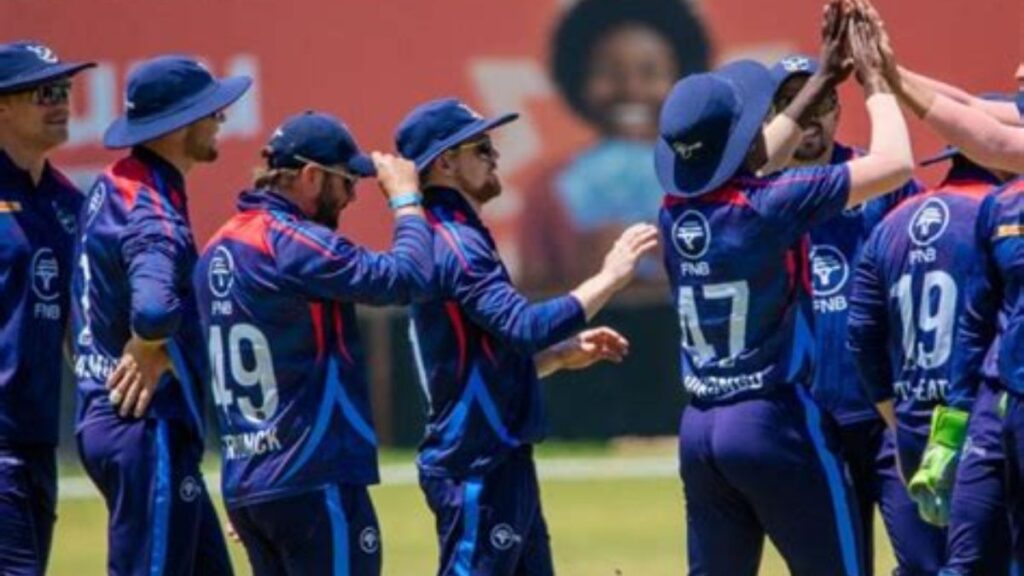
The 2026 Cricket World Cup is expected to follow the expanded format that brings more nations into the fold, a move designed to further globalize the sport. The tournament will feature 14 teams, an increase from the 10-team format used in 2019 and 2023. This expansion is a welcome change, providing more opportunities for associate nations to compete on the biggest stage and test their mettle against the top-ranked teams.
The competition is anticipated to adopt the Super 6 format, which was successfully used in the 2003 World Cup. Under this structure, the 14 teams will be divided into two groups of seven. Each team will play every other team in its group once in a round-robin stage. The top three teams from each group will then advance to the Super 6 stage. In this crucial phase, the qualifying teams will carry forward the points gained against the other qualifiers from their initial group and will play against the three qualifying teams from the opposing group. This format ensures that every match in the Super 6 stage is significant, as teams battle for a spot in the semi-finals. The top four teams from the Super 6 table will then proceed to the knockout rounds: two semi-finals followed by the grand final. This structure strikes a fine balance, ensuring a comprehensive group stage while raising the stakes significantly in the second phase, rewarding consistency and performance under pressure.
The Teams and Stars to Watch
By 2026, the landscape of international cricket will have evolved, with a new generation of stars taking center stage alongside seasoned veterans. The tournament will be a showcase of talent from across the globe.
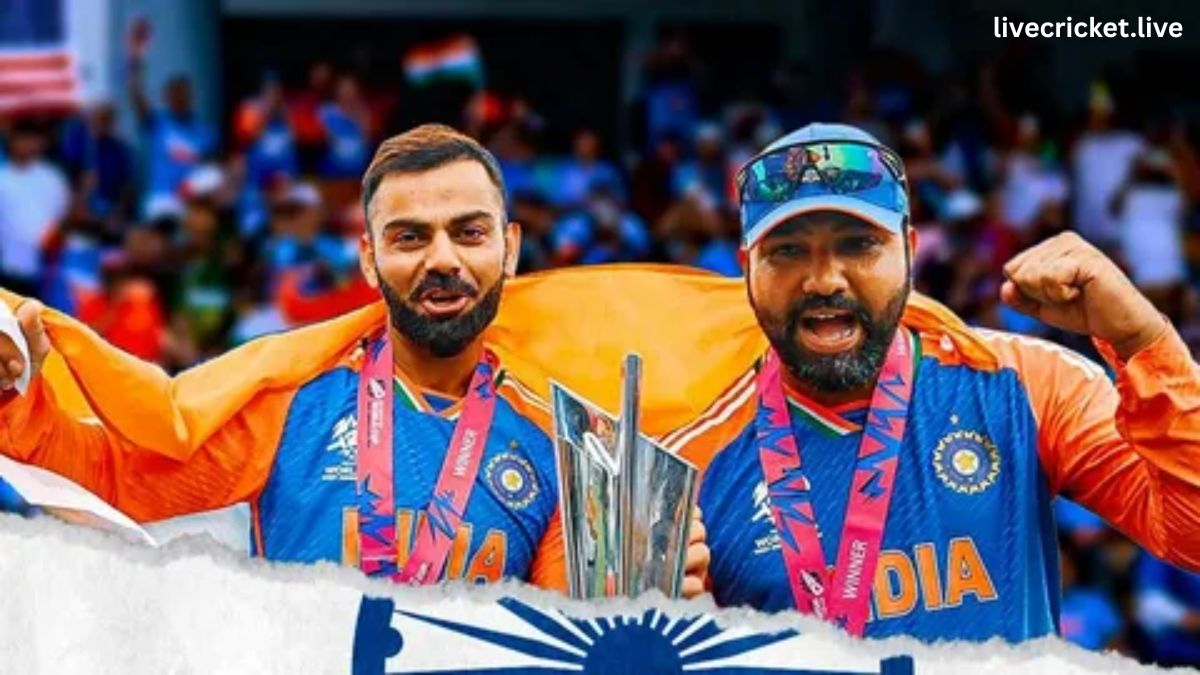
India: Playing on home soil, India will undoubtedly start as one of the favorites. By 2026, the transition of leadership and key roles will be well underway. While stalwarts like Virat Kohli and Rohit Sharma may be in the twilight of their careers, the team will be built around the next generation. Players like Shubman Gill, who has already shown immense promise, will be expected to be a leader of the batting unit. The likes of Yashasvi Jaiswal and Ruturaj Gaikwad could form a formidable top order, while the pace attack will look to Jasprit Bumrah to guide emerging talents.
Australia: The perennial powerhouse, Australia always finds a way to peak at World Cups. With their aggressive brand of cricket and incredible depth of talent, they will be a major contender. Young all-rounders like Cameron Green will be at the peak of their powers, providing crucial balance. The team’s ability to produce match-winners and perform under the immense pressure of knockout games makes them a constant threat, regardless of the conditions.
https://livecricket.live/icc-world-cup-2026/
England: The pioneers of the modern, hyper-aggressive approach to ODI cricket will continue to be a force. While some of the heroes of their 2019 triumph may have moved on, their system is designed to produce fearless, attacking players. The likes of Harry Brook and Phil Salt will be key figures in their batting lineup, tasked with continuing the team’s high-tempo philosophy. Their challenge will be adapting their all-out attack strategy to the potentially slower, turning pitches of the subcontinent.
Pakistan: Always unpredictable and blessed with immense raw talent, Pakistan will be a team to watch closely. Their pace factory continues to produce world-class bowlers, and their batting lineup, featuring modern greats like Babar Azam, will be more experienced. The spin-friendly conditions could also play into the hands of their mystery spinners. If they find consistency, their passion and talent make them capable of beating any team on their day.
South Africa: The Proteas have been quietly rebuilding and possess a squad brimming with explosive talent. Batsmen like Heinrich Klaasen and Tristan Stubbs can change a game in a matter of overs. Their powerful batting and varied bowling attack make them a dangerous dark horse, especially if they can overcome their historical struggles in knockout matches.
Sri Lanka: As co-hosts, Sri Lanka will be determined to make a strong impression. Playing in familiar conditions will be a significant advantage. The team will be built around a core of talented all-rounders like Wanindu Hasaranga and a new generation of batsmen and bowlers who have been groomed for the big stage. With passionate home support behind them, they could be inspired to recreate the magic of their 1996 triumph.
Innovations and the Evolving Game
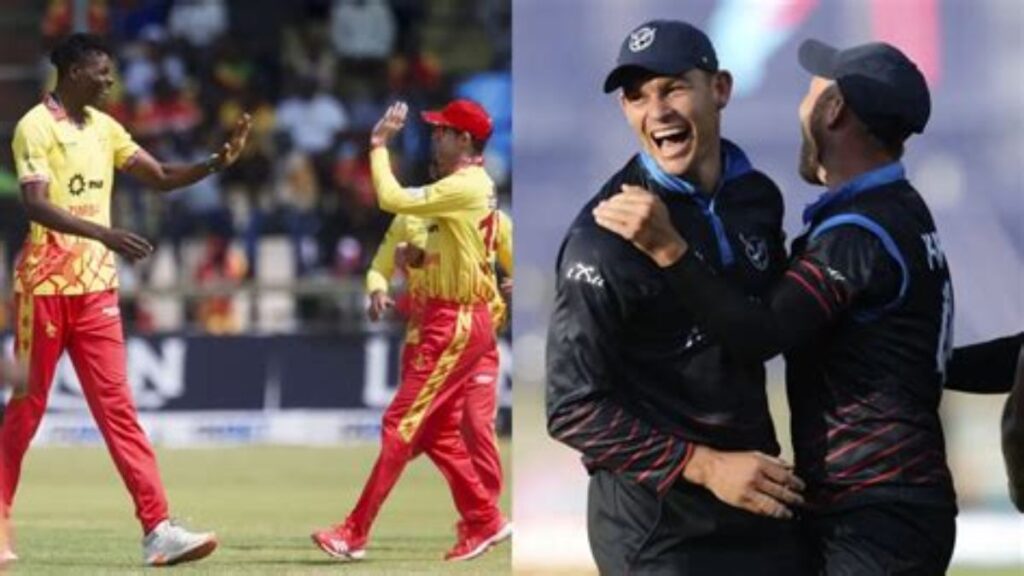
The 2026 World Cup will take place in an era where the 50-over format is continuously evolving, influenced heavily by the fast pace of T20 cricket. We can expect to see even more aggressive batting approaches from the outset, with teams looking to maximize every phase of the innings. The role of specialist “finishers” and multi-dimensional all-rounders will be more critical than ever.
On the tactical front, teams will employ more sophisticated data analytics to devise strategies against specific opponents and players. The use of match-ups—pitting a particular bowler against a batsman they have a good record against—will be a key part of the planning process. Bowling units will need to be versatile, with the ability to deploy a range of slower balls, cutters, and bouncers to counter the aggressive intent of modern batsmen.
The Decision Review System (DRS) will continue to play a crucial role in ensuring accuracy, and advancements in broadcast technology will offer fans an even more immersive viewing experience. Innovations like enhanced player tracking, high-definition spider cams, and in-depth pre- and post-match analysis will bring audiences closer to the action than ever before.
As the countdown begins, the excitement for the 2026 Cricket World Cup will only intensify. It promises to be a tournament where cricketing traditions meet modern innovations, where established heroes are challenged by rising stars, and where the unparalleled passion of the subcontinent provides a stunning backdrop for the crowning of the next world champion. The stage is being set for another unforgettable chapter in the glorious history of cricket’s most prestigious event.
🏏 2026 Cricket World Cup – FAQs (Frequently Asked Questions)
❓1. When will the 2026 Cricket World Cup be held?
📅 The tournament is scheduled for October–November 2026. Final dates will be confirmed by the ICC closer to the event.
❓2. Who is hosting the 2026 Cricket World Cup?
🌍 The 2026 World Cup will be co-hosted by India and Sri Lanka, two of the biggest cricket-loving nations in the world.
❓3. What is the format of the tournament?
📋 The format will feature a round-robin stage followed by knockout matches (semi-finals and final), with 14 teams divided into groups. The official structure will be finalized by the ICC.
❓4. How many teams will participate in 2026?
🏆 A total of 14 teams will participate, expanding from the 10-team format used in 2019 and 2023.
❓5. How will teams qualify for the World Cup?
✅ Some teams, like the hosts and top-ranked ICC Full Members, will qualify automatically. Others will go through regional qualifiers and the ICC World Cup Qualifier tournament.
❓6. Which stadiums will host the matches?
🏟️ Matches will be played across iconic venues in India and Sri Lanka, including cities like Mumbai, Delhi, Chennai, Bengaluru, Colombo, and Kandy.
❓7. Will fans be able to buy tickets online?
🎟️ Yes, tickets will be available online for both local and international fans via the official ICC website and authorized ticketing partners.
❓8. Will the World Cup be broadcast live?
📺 Yes, the tournament will be broadcast globally on major sports networks and digital streaming platforms, including Hotstar, Sky Sports, Willow TV, and others.
❓9. How can fans stay updated about the tournament?
🔔 Stay tuned to the official ICC website, social media platforms, and cricket news sites like ESPNcricinfo for all updates on fixtures, squads, news, and results.
❓10. What’s new in the 2026 World Cup?
🆕 Key highlights include the return to a 14-team format, co-hosting across two countries, and possible advancements in fan engagement and digital coverage.
✅ Conclusion:
The 2026 Cricket World Cup promises to be an exciting event for fans around the globe. These FAQs aim to answer the most common questions about the tournament, including its format, host countries, schedule, and participating teams. As the event approaches, more details will become available, so stay tuned to official sources for the latest updates. Get ready for thrilling matches, unforgettable moments, and a celebration of cricket at its finest.