



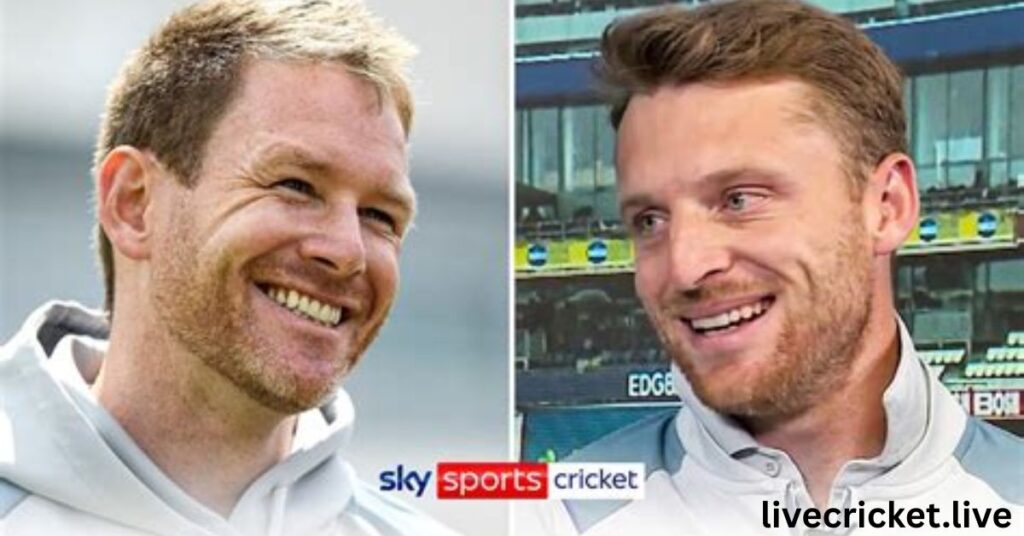
When I first started following England cricket seriously, Jos Buttler’s name leapt out—not just for his fearsome batting or lightning‑quick glove work, but for that unmistakable spark of potential leadership in his eyes. Fast‑forward to June 2022, and the then 33‑year‑old was named captain of England’s limited‑overs sides, taking over from the legendary Eoin Morgan. Wikipedia+2ESPN.com+2
The Early Days: From Somerset to England Colours
It’s always instructive to remember where someone begins. Buttler came through the ranks at Somerset County Cricket Club (in England’s county circuit), lifting his game steadily until he broke into the England side. What struck me early on was his fearless attitude: whether coming in mid‑innings or gliding behind the stumps, he seemed ready for the moment.
That raw readiness—rather than decades of grooming—was what convinced many that he could carry the England baton forward.
Why the Appointment Mattered
When England appointed Buttler in June 2022, it signalled several things.
- A handing of the white‑ball leadership from chemistry‑engineered Morgan to a dynamic batter‑keeper.
- An attempt to blend continuity (the core of England’s white‑ball attack) with fresh energy.
- A belief that Buttler’s temperament and style matched the evolving demands of modern white‑ball cricket.
The High Point: T20 World Cup Triumph
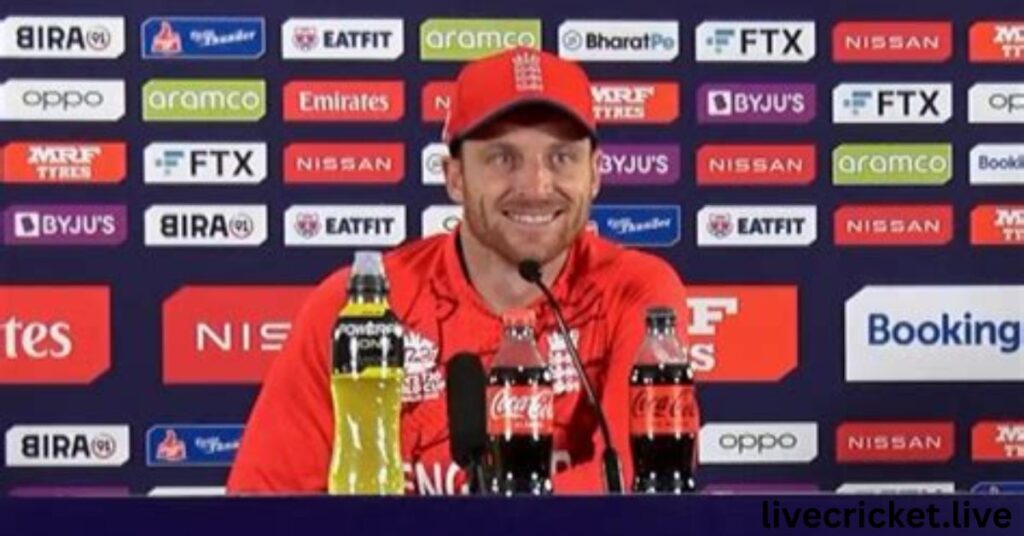
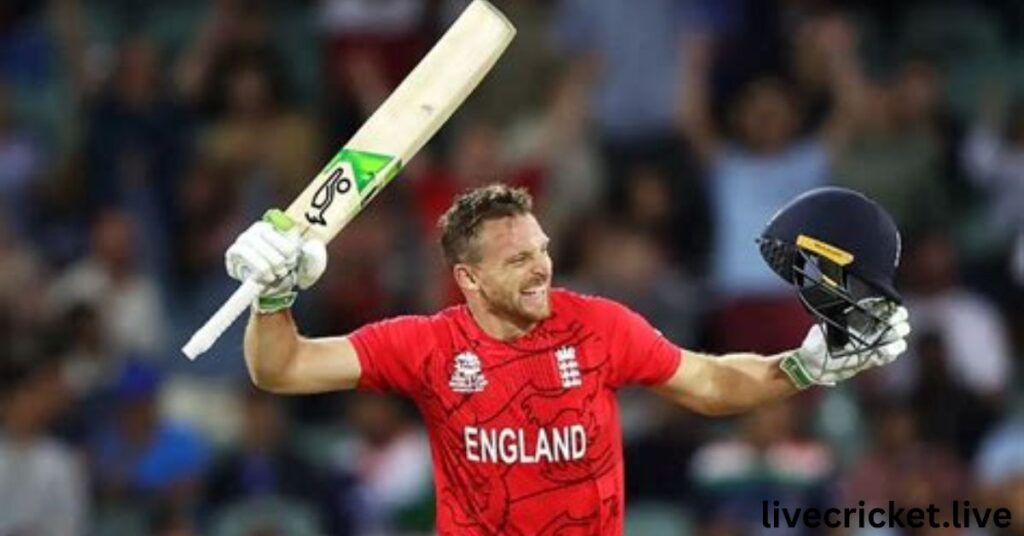
Only months into his captaincy, Buttler led England to the title at the 2022 ICC Men’s T20 World Cup in Australia. Wikipedia+1 This wasn’t just a win—it was a statement. Leading moments came from him both as skipper and batter, and the trophy validated the leadership transition.
To me, it felt like watching a craftsman complete a masterpiece under tight deadline. I remember being glued to the television, heart pacing through England’s semi‑final—and feeling a surge of pride when Buttler’s calm 80* helped steer them in.
Leadership Style: What Made Buttler Tick
What kind of leader was Jos? From what I observed:
- He trusted his young players—giving them roles, backing them in the big moments.
- He blended aggression with composure; he didn’t panic when things slipped.
- On a personal note, I found his wicketkeeping‑to‑batting dual role fascinating—it’s rare, and it brought an extra dimension to his captaincy.
When I reflect on my own leadership challenges (in a small start‑up, no less), I see a parallel: playing multiple roles, needing to lead by example, and staying composed even when the odds stack up.
England’s ODI and T20 results
After the high of 2022, things changed. The momentum slowed. England’s ODI and T20 results became patchy. Buttler’s captaincy came under pressure. mint+2Wikipedia+2
In my own professional journey, I’ve seen this pattern: early success breeds expectation—and expectation makes everything that follows harder. For Buttler, the weight of world‑cup winner status meant every drop or tumble got magnified.
The Challenges of Modern White‑Ball Captaincy
To understand why Buttler’s tenure became so tough, we need to look at the landscape:
- The white‑ball calendar is brutal—frequent tours, multiple formats, little margin for error.
- Players are rotated, rested, moved between formats, which makes establishing a stable “side” hard.
- Opponents are also better—teams adapt fast, there’s less surprise factor now.
From a leadership‑perspective: there’s little time to build habits, little room to recover from mis‑steps. Buttler, in stepping into this environment, inherited all of that burden. Reddit
In February 2025, Buttler announced he would stand down as England’s white‑ball captain, citing that it was “the right decision for me and the team”. Sky Sports+2Al Jazeera+2
The key reasons included:
- England’s early exit from the 2025 ICC Champions Trophy. ESPN.com
- A belief that fresh leadership might give the team a reset.
- His own sense that his batting and enjoyment might rebound without captaincy pressure.
Stepping aside voluntarily takes humility and awareness—two traits that often separate good leaders from great ones.
Reflections from My Own Story
Back when I started blogging about sports in Pakistan, I had no formal training. I just loved telling stories. Through trial, error, missed deadlines, and beginner’s nerves I learned something: that leadership—whether in business or sport—is often about timing, acceptance, and doing the right thing at the right moment.
Buttler’s move felt like a micro‑lesson in time‑based leadership: you lead when fit, you exit when fit. You know the difference between “I should stay” and “I must go”. And he acted on it.
What Buttler’s Tenure Teaches About Team Culture
Here are some lessons:
- Innovation helps—but only with foundation. England under Buttler remained tactically bold, yet the foundations (roles, processes) slipped.
- Trust matters more than charisma. He backed young players and allowed them to flourish, but when results fell, that trust had to pay dividends.
- Transitions must be managed. Changing captaincy is more than a name switch—it involves mindset and culture.
- Self‑awareness is a strength. Buttler recognised that stepping down might serve the team better than clinging to the role.
The Record in Brief: Wins, Losses and Realities
| Format | Matches as Captain | Wins | Losses* |
|---|---|---|---|
| ODIs | ~44 | 18 | 25 NDTV Sports+1 |
| T20Is | ~51 | 26 | 22 mint+1 |
*Approximate. The numbers reflect a rough view of his captaincy record.
Numbers alone don’t tell the full story—but they do reflect that leadership has its hard edges.
Pros & Cons of Buttler’s Captaincy
Pros:
- Delivered a major tournament victory early.
- Energised the batting line‑up with a progressive mindset.
- Brought younger players forward.
Cons:
- Inconsistent results in key tournaments (ODI World Cup 2023, T20 World Cup 2024).
- White‑ball calendar and squad instability made long‑term planning difficult.
- The switch from being solely a batter to a captain‑batter‑keeper added layers.
What’s Next for Buttler and England?
For Buttler: The move away from full‑time captaincy may open an era of batting renewal. England’s director of men’s cricket noted that Buttler remains central to the team’s future. Reuters+1
For England: They face the task of appointing and embedding new leadership, while navigating a packed white‑ball calendar and balancing multi‑format demands.
People Also Ask (PAA)
What years did Buttler serve as England captain?
He became full‑time white‑ball captain in June 2022 and stepped down in February 2025. Wikipedia+1
Did Buttler win a major trophy as England captain?
Yes — the 2022 T20 World Cup. Wikipedia+1
Why did Buttler step down as England captain?
He cited the right decision for him and the team following early exit from the Champions Trophy, aimed at giving the side fresh direction. Sky Sports+1
Will Buttler continue playing for England?
Yes — he indicated he remained available for selection and focused on his batting and enjoyment of the game. ESPN.com+1
Who is likely to succeed Buttler as England captain?
As of early 2025, Harry Brook was the frontrunner, though final decisions were pending. ESPN.com+1
FAQ Section
Q1: Was Buttler only captain in T20s, or also in ODIs?
A1: He captained both England’s ODI and T20 teams in white‑ball formats from mid‑2022 until early 2025.
Q2: Did Buttler suffer major injuries during his captaincy?
A2: While Buttler has undergone injuries in his career, the decision to step down was not driven directly by a specific injury but by a strategic choice.
Q3: How did Buttler’s departure affect England’s team dynamic?
A3: It opened the door for fresh leadership, re‑emphasis on talent development and allowed Buttler to focus on his batting, which the team management signalled as crucial.
Final Thoughts
Watching Jos Buttler’s journey has felt like watching someone climb a summit—and then choosing to step down before standing on the next peak. He delivered on promise, experienced the pressures of leadership, and made the choice to unburden himself for the sake of team and self.
In my own path, I’ve learned that leadership isn’t a fixed forever‑role. It’s situational. It’s dynamic. And sometimes the greatest act of leadership is recognising when your role evolves.
✅ Conclusion
Jos Buttler’s journey from a fearless finisher to England’s white-ball captain is a story of talent, timing, and transformation. His leadership brought a World Cup, nurtured rising stars, and reflected the complexities of modern cricket. By stepping down at the right time, he showed that real leadership isn’t just about holding the reins—it’s about knowing when to let go. Whether you’re stepping into leadership or crafting your digital royal persona, remember: evolution is part of greatness.