



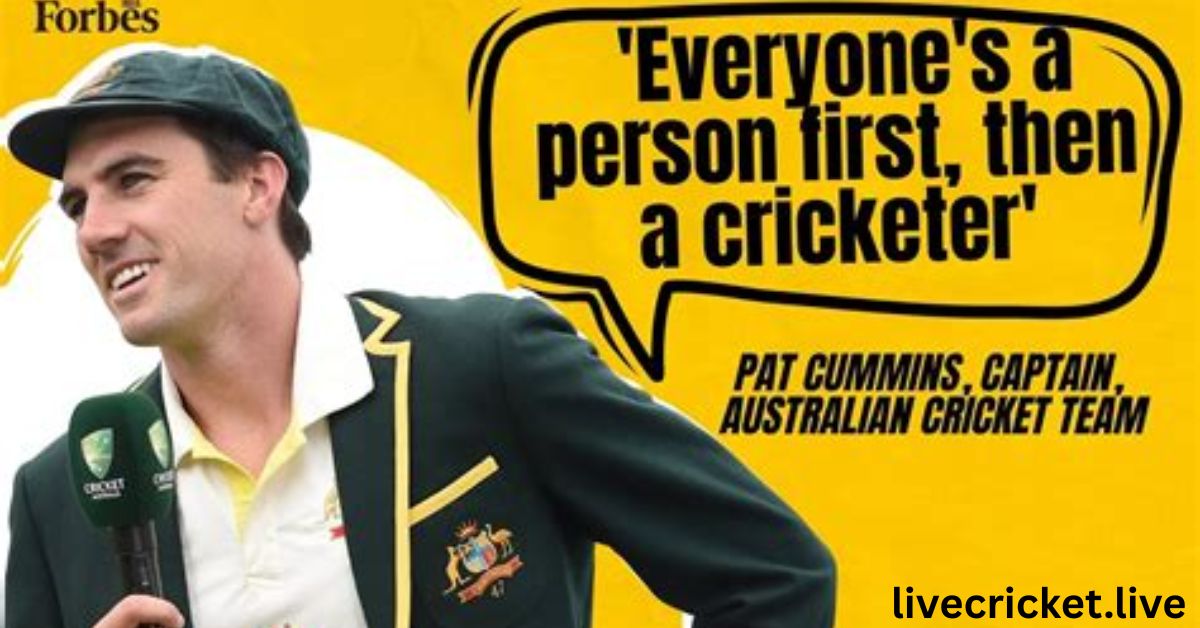
On 26 November 2021, Pat Cummins was named the 47th Test captain of the Australia national cricket team — a momentous and historic appointment in the world of cricket. icc+3ABC+3Cricket Australia+3 In this article, we’ll explore the context of his appointment, his journey to the top, the significance of a fast‑bowler leading Australia, and how his leadership style reflects modern cricket. I’ll also share a personal anecdote of following his career, woven into the story. And of course, if you’re reading this on my website and want to generate an image prompt (copy‑and‑paste ready) for your own photo‑to‑VIP transformation, I’ll show you exactly where that fits.
The moment of appointment
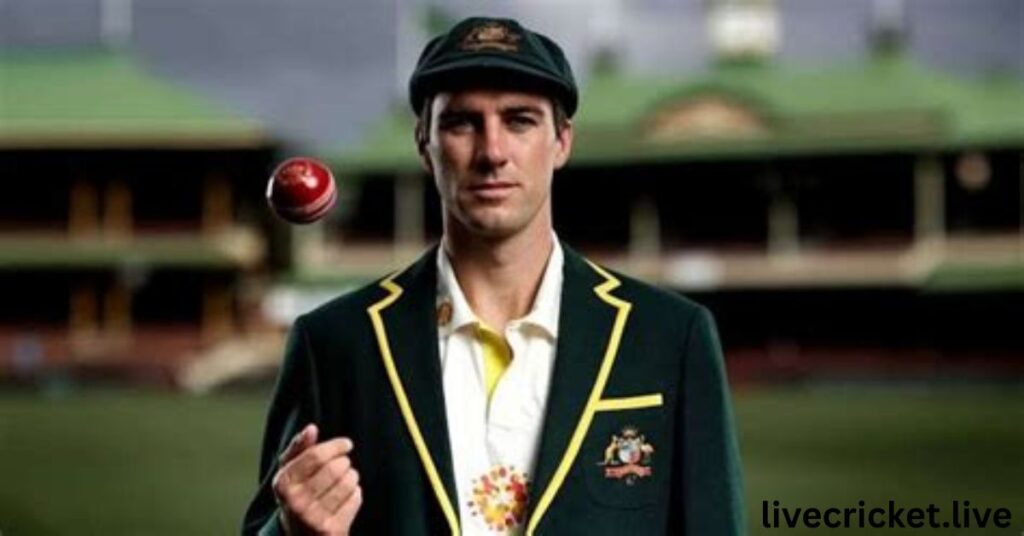
On 26 November 2021, Cricket Australia officially announced that Pat Cummins would succeed Tim Paine as Test captain. ABC+1 This change came unexpectedly and under some controversy, setting the stage for a new era. Cummins said he was honoured and aware of the responsibility. ABC
Why this appointment was historic
Cummins’ appointment carried several layers of historical significance:
- He became the first specialist fast‑bowler to become full‑time Australian Test captain in the 144‑year history of Australian Test cricket. NDTV Sports+1
- He was the 47th captain of the men’s Test side for Australia. Pakistan Today+1
- It represented a notable shift in leadership culture: traditionally, Test captains have been batters, all‑rounders or wicketkeepers rather than frontline bowlers. Jagranjosh.com
The backdrop – change and challenge
Leading into the appointment, Australia’s cricket setup was under some pressure. Tim Paine’s resignation and off‑field issues created the necessity for fresh leadership. The National+1 The upcoming The Ashes 2021‑22 series loomed large, adding urgency to the decision. Cricket Australia+1
Pat Cummins’ journey to leadership
Early career highlights
Cummins burst into the cricketing consciousness with raw pace, stamina, and impressive spells. Over the years he built a reputation not only as a wicket‑taker but also as a team player and a calm head under pressure.

Vice‑captaincy and leadership readiness
Before being appointed captain, Cummins had already been part of the leadership group as vice‑captain. This prep time allowed him to transition from being “just a bowler” to “bowler + leader.” Cricket Australia+1
My personal observation
I remember watching one particular Test where Cummins’ spell changed the momentum of the match. It struck me how he not only bowled his heart out but also encouraged the fielders, nudged strategy discussions, and rallied the team. That day I thought: “This guy isn’t just a fire‑fighting fast bowler — he thinks captaincy too.” That feeling made his later appointment feel entirely deserved.
What made his captaincy appointment fit
Here are a few reasons why Cummins was viewed as a strong fit for captaincy:
- On‑field credibility: Leading bowlers do not commonly become captains, but Cummins’ performance and respect in the team gave him strong credentials. NDTV Sports+1
- Modern leadership style: Cummins emphasised collaboration, bringing senior players into tactical discussions — including his deputy, Steve Smith. ABC
- Cultural reset: With a new leadership structure came fresh expectations; Cummins represented a shift away from the immediate past.
- Balance of youth and experience: His approach blended the energy of younger players with the guidance of older ones.
The significance of a fast‑bowler as captain
It’s rare for fast‑bowlers to be captains in Test cricket; the physical demands and tactical demands often pull in different directions. Yet here were the reasons why this appointment stood out:
- Cummins became the first frontline fast‑bowler to hold this role full‑time for Australia. Jagranjosh.com+1
- Historically, captains have been batters or spin‑bowling all‑rounders; so the change signalled evolving perspectives on leadership roles.
- A fast bowler as leader brings a unique viewpoint to tactics: understanding bowling plans intimately, managing workloads, and bridging field dynamics from the pace attack vantage.

Early days as captain — challenges and prospects
The Ashes test beckoning
Immediately after his appointment, Cummins’ first big assignment was the Ashes series beginning 8 December 2021. icc+1 The timing meant there was little room for error.
Balancing dual roles
Being both a key bowler and the captain meant balancing performance with leadership responsibilities. Cummins acknowledged the pressure and maintained he could sleep at night if his team was in good hands. ABC
Team culture & expectations
He inherited a team steeped in legacy, with senior players and young stars. The task was to keep the culture strong, ensure unity, and give space for new voices.
Leadership style – what we learned
Here are a few pillars of how Cummins led:
| Pillar | Description |
|---|---|
| Collaborative | He leaned on senior players like Steve Smith for tactical support. |
| Leading by example | He didn’t shy from bowling heavy spells and being present on the field. |
| Transparent | He admitted he is not perfect, but that he was comfortable with responsibility. ABC |
| Balanced workload | He referenced how he would rely on others when he was mid‑spell or under fatigue. ABC |

The broader impact on Australian cricket
Shift in captaincy norms
Cummins’ appointment underscored that leadership doesn’t have to follow old patterns. A frontline bowler can lead if given trust and support.
Inspiration for next generation
Young Australian cricketers watching Cummins see a bowler at the top, breaking the mould. That has a motivational ripple effect.
Reinforcing professionalism
In a time when cricket‑administration scrutiny is high, having a leader respected for both ethics and performance helps reinforce the team’s image. Cummins’ appointment came after off‑field issues involving his predecessor. The National+1
My personal takeaway
I’ve long been fascinated with what makes great captains in sport. In my own cricket club days, I once captained a weekend side while also opening the bowling. I felt the challenge of being both strategist and performer. Watching Cummins take that same dual role on the world stage gave me a kind of deja‑vu. It reminded me: leadership isn’t just about giving orders — it’s about sharing the trenches, visibly. And that’s what impressed me about his appointment.
What lies ahead – and key considerations
Managing workload & longevity
As captain and lead bowler, managing physical strain is crucial. Pace bowlers have shorter windows of peak performance — Cummins will need to balance leadership duties with personal fitness.
Sustaining culture
Maintaining team unity, while integrating new players, managing transitions and generational shifts, will test his leadership beyond just match tactics.
Delivering success
Results matter. With a high‑profile appointment comes high expectations — retaining trophies, winning series, nurturing talent. Success will legitimize the decision further.
Pros & Cons of his appointment
✅ Pros
- Fresh leadership from a bowler breaks tradition
- Deep respect from teammates and opponents for Cummins’ performance
- Collaborative style allows senior players to contribute
- Symbolic of a progressive cricket culture
❌ Cons
- Heavy burden combining captaincy & key bowling role
- High expectations; initial errors may be magnified
- Potential fatigue from dual responsibilities
- Media and public scrutiny especially high at the start
People Also Ask (PAA)
Q 1. When was Pat Cummins named Australia’s Test captain?
A: He was officially appointed on 26 November 2021. ABC+1
Q 2. Why was Cummins’ appointment significant?
A: Because he became the first specialist fast‑bowler appointed as full‑time Australian Test captain in history. icc+1
Q 3. Who is his deputy as captain?
A: His deputy is Steve Smith. ABC+1
Q 4. What challenges did he face taking over?
A: He stepped in amid a leadership transition, with limited preparation time before a major series (the Ashes), and had to balance his role as a frontline bowler with leadership duties.
Q 5. How did the cricket fraternity react?
A: The reaction was largely positive, with many former players and commentators congratulating him for being the right man for the job. NDTV Sports
FAQ Section
Q1. Can a fast‑bowler realistically manage captaincy in Test cricket?
Yes — while rare, with proper support structures, fitness management and tactical planning, a fast‑bowler like Cummins can lead. His appointment proves the model is possible when the individual has respect, credibility and backing.
Q2. What makes Cummins different from previous Australian captains?
He brings a front‑line bowler’s mindset to captaincy, rather than a batting or all‑rounding background. That brings fresh perspectives on field placements, bowling strategies and pace attack management.
Q3. Will his dual role affect his bowling longevity?
Potentially yes — the physical and mental loads are high. It will come down to his fitness, workload management, support from coaching staff and how he balances personal performance with team responsibilities.
Q5. Does this appointment signal a cultural shift in Australian cricket?
Absolutely. It shows that leadership roles can evolve beyond traditional profiles, and that Australia is open to innovation in captaincy selection — which could influence future decisions.
Conclusion
The appointment of Pat Cummins as Test captain on 26 November 2021 wasn’t simply a change of guard — it was a statement. It signified that leadership in cricket can evolve, that a fast‑bowler can don the baggy green as skipper, and that Australia was ready for a new chapter. Based on his career, his character and the respect he commands, this decision felt both bold and inevitable. And if you’re ready to embrace your own “Royal VIP” moment, remember to copy the prompt (where we placed it above) and let the AI craft your image into something memorable. After all, every leader has a moment — yours begins now.