



As the cricketing world turns its focus towards the 2026 ICC Cricket World Cup, co-hosted by India and Sri Lanka, the narrative begins to crystallize around the teams set to compete for the sport’s most coveted trophy. With an expanded format featuring 14 nations, the tournament promises a broader showcase of global talent, blending established powerhouses with ambitious emerging sides. Each team brings a unique story, a distinct set of strengths, and a roster of players capable of lighting up the grand stage. Let’s take an in-depth look at the teams gearing up for this subcontinental showdown.

The Favorites: Powerhouses of World Cricket
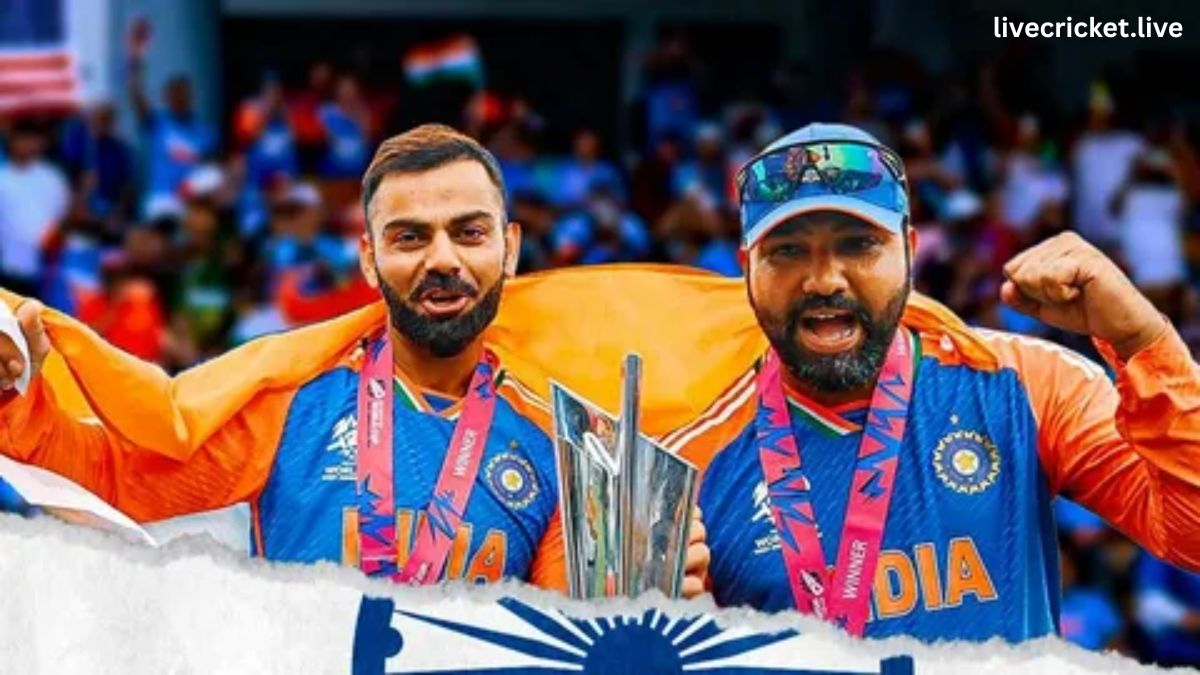
India: As co-hosts, India will carry the immense weight of expectation from a billion passionate fans. Playing in their own backyard provides a significant advantage, with deep knowledge of the pitches and conditions. By 2026, the team will be in a fascinating phase of transition. While the era of legends like Rohit Sharma and Virat Kohli will be nearing its end, the foundation for the future is already in place. The batting unit will be led by the supremely talented Shubman Gill, whose elegant stroke play and appetite for big scores make him a natural successor. He will be supported by a dynamic group of batsmen including Yashasvi Jaiswal, whose aggressive T20 style has translated beautifully to the longer format, and the reliable Shreyas Iyer in the middle order.
India’s strength lies in its incredible depth. The pace attack, likely still featuring the brilliant Jasprit Bumrah, will mentor a new crop of fast bowlers emerging from the domestic circuit. However, their biggest weapon will be their spin department. On home soil, the likes of Kuldeep Yadav and Axar Patel will be lethal, capable of controlling the middle overs and running through batting orders. The challenge for India will be managing the immense pressure and ensuring their next generation of stars can deliver when it matters most.
Australia: No World Cup preview is complete without acknowledging the formidable Australians. Their DNA is coded for success in major tournaments. Regardless of form leading into the event, they possess a mental toughness and a winning culture that is unmatched. By 2026, their squad will be a blend of seasoned campaigners and exciting new talent. All-rounder Cameron Green will be at the peak of his powers, offering invaluable balance with his powerful batting and sharp pace bowling.
https://livecricket.live/2026-cricket-world-cup
Their batting will be aggressive and deep, a hallmark of Australian cricket. Players like Travis Head will continue to provide explosive starts, while the middle order will be filled with versatile, powerful hitters. Their pace attack is perpetually world-class, and they consistently produce fast bowlers who can thrive in any conditions. The key for Australia will be adapting to the spin-friendly pitches of the subcontinent. If their batsmen can effectively counter high-quality spin and their bowlers can find ways to be potent in the middle overs, they will be a prime contender to add another trophy to their cabinet.
England: The pioneers of cricket’s modern attacking revolution will bring their fearless brand of play to the World Cup. Their philosophy is simple: attack at all costs. While some of the 2019 heroes may have departed, the system is designed to produce players who fit this mold. The batting lineup will be explosive from top to bottom. Harry Brook, with his 360-degree hitting arc, will be a central figure, capable of dismantling any bowling attack. Phil Salt and Will Jacks are other examples of the aggressive talent at their disposal.
England’s strength is their unwavering commitment to their strategy, which can overwhelm opponents. However, their biggest challenge will be the conditions. The slower, lower pitches of India and Sri Lanka can sometimes neutralize their all-out assault. Their success will depend on their ability to adapt—to know when to absorb pressure and when to attack. Their spin resources, led by Adil Rashid or his successor, will be crucial in controlling the middle overs and providing the breakthroughs their pacers might find harder to come by.
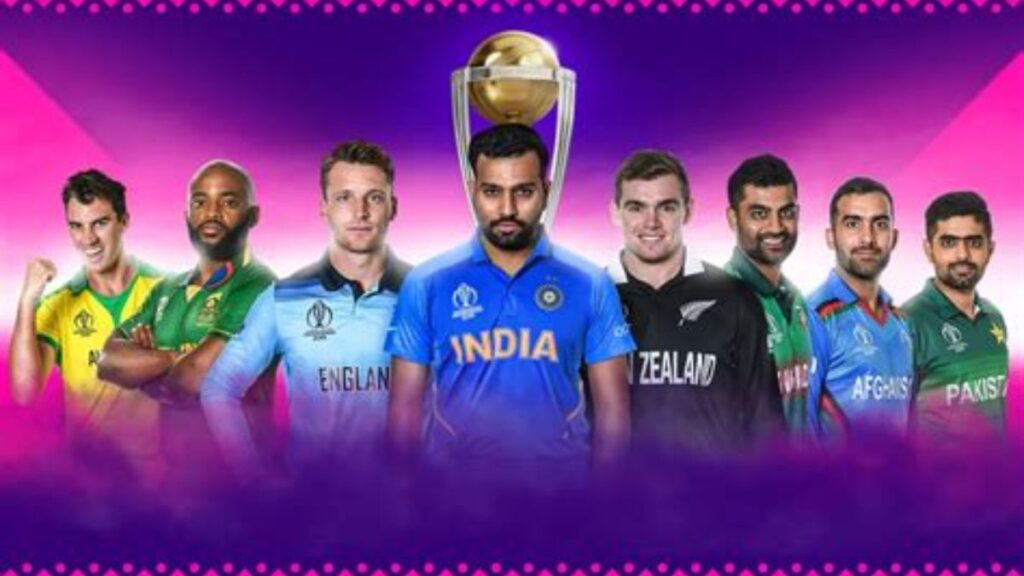
The Dark Horses: Teams with Giant-Killing Potential
South Africa: For years, South Africa has been the “so close, yet so far” team in world cricket. However, the current generation is packed with some of the most destructive players in the game. They have shed the conservative tag and embraced an aggressive, high-risk, high-reward style of play. Their batting is their standout feature. Heinrich Klaasen is arguably the best middle-overs power-hitter in the world, capable of changing the game’s complexion in a handful of overs. He is supported by the likes of David Miller and the explosive Tristan Stubbs.
Their bowling attack is potent and varied, with the express pace of Anrich Nortje and the clever variations of their spinners. The Proteas have all the ingredients to go all the way. Their greatest hurdle has always been mental: conquering the pressure of knockout matches. If this generation, free from the baggage of the past, can hold their nerve on the biggest stage, 2026 could finally be their year.
Pakistan: When it comes to raw talent and unpredictability, no team comes close to Pakistan. On their day, they can defeat any side in the world, and the conditions in the subcontinent will suit them. Their bowling attack is their traditional strength. The nation continues to be a conveyor belt for elite fast bowlers, and they will arrive with a battery of pacers capable of generating high speeds and swinging the ball.
https://livecricket.live/2026-cricket-world-cup
Their batting, once a source of inconsistency, has found a world-class anchor in Babar Azam. By 2026, he will be an experienced leader, and the talent around him, like Mohammad Rizwan and a new generation of aggressive hitters, will be more mature. Furthermore, their mystery spinners will be a handful on turning tracks. For Pakistan, the key is always consistency. If they can string together complete performances and avoid the batting collapses that have plagued them in the past, their sheer talent and passion make them a genuine title threat.
Sri Lanka: As co-hosts, Sri Lanka will be playing with the wind in their sails. Familiar conditions and fervent home support are powerful advantages. The team has been in a rebuilding phase but is showing encouraging signs of a resurgence, built around a core of multi-talented players. Wanindu Hasaranga will be their superstar—a world-class leg-spinner who can win games on his own and a more-than-capable lower-order power-hitter.
Their batting will rely on players like Pathum Nissanka and Charith Asalanka to provide stability, while the emergence of young mystery spinner Maheesh Theekshana gives them a potent spin duo. Sri Lanka’s strength lies in their knowledge of home conditions and their spin-bowling prowess. They may not have the same depth as the top-tier teams, but with the crowd behind them and a strategy built around their strengths, they are capable of causing major upsets and making a deep run in the tournament.
The Contenders and Emerging Nations
New Zealand: The Black Caps can never be written off. They consistently punch above their weight, reaching the final stages of ICC events with remarkable regularity. Their success is built on a foundation of discipline, excellent planning, and a strong team culture. While stalwarts like Kane Williamson might be in their final chapter, their system excels at identifying and developing talent. Players like Rachin Ravindra, a breakout star of the 2023 World Cup, will be the new leaders of the side. New Zealand’s strength is their tactical astuteness and their ability to execute plans flawlessly. They will be well-prepared and are experts at exploiting any weakness in their opponents.
Afghanistan: The most improved team in world cricket over the last decade, Afghanistan is no longer just a participant; they are a genuine threat. The spin-friendly conditions of India and Sri Lanka will be a perfect stage for their world-class spin trio of Rashid Khan, Mujeeb Ur Rahman, and Noor Ahmad. Their batting has also made significant strides, with openers Rahmanullah Gurbaz and Ibrahim Zadran providing solid and often explosive starts. Their fearlessness and skill, especially in the spin department, make them a team that no one will want to face.
Bangladesh: Another team that will relish the subcontinental conditions, Bangladesh will be looking to make a significant impact. They have a passionate fan base and experienced players who know how to win at home. While their away record is patchy, in familiar surroundings they are a different proposition. Led by veterans and featuring exciting young players, their strategy will be built around their disciplined spin bowling and gritty batting.
The expanded format also opens the door for other associate nations to make their mark. Teams like Netherlands, Scotland, and potentially others who come through the qualification pathway will bring their own brand of cricket to the tournament. These teams play with heart and determination, and as Afghanistan has shown, the gap between full members and associate nations is shrinking. These teams will be aiming not just to compete but to cause upsets and announce their arrival on the world stage.
The 2026 Cricket World Cup is shaping up to be an enthralling tournament, defined by the diversity of its teams. From the established giants to the fearless dark horses and inspiring emerging nations, each brings a unique flavor to the competition, promising a global spectacle full of drama, skill, and unforgettable moments.
🏏 Cricket World Cup 2026 Teams – FAQs
❓1. How many teams will participate in the 2026 Cricket World Cup?
✅ A total of 14 teams will participate in the 2026 edition of the ICC Cricket World Cup.
❓2. Why is the number of teams increased to 14?
🔄 The ICC decided to expand the World Cup format to allow more global participation and to promote the growth of cricket in emerging nations.
❓3. Which teams have already qualified for the 2026 World Cup?
🇮🇳 As co-hosts, India and Sri Lanka automatically qualify. Other top-performing Full Member nations will also likely qualify automatically. The rest will qualify through the ICC World Cup Qualifier pathway.
❓4. How will the remaining teams qualify?
📋 Remaining teams will qualify through a combination of ICC Cricket World Cup Super League standings, regional qualifiers, and the ICC Cricket World Cup Qualifier tournament.
❓5. Will any Associate Member nations participate?
🌍 Yes, depending on results from the Qualifiers, Associate nations such as the Netherlands, Scotland, Nepal, or the USA could earn a place in the tournament.
❓6. Is the 14-team format the same as in older World Cups?
🕰️ Yes, the 14-team format is similar to what was used in the 2011 and 2015 World Cups, with teams divided into groups and the top ones progressing to knockouts.
❓7. How will the teams be grouped?
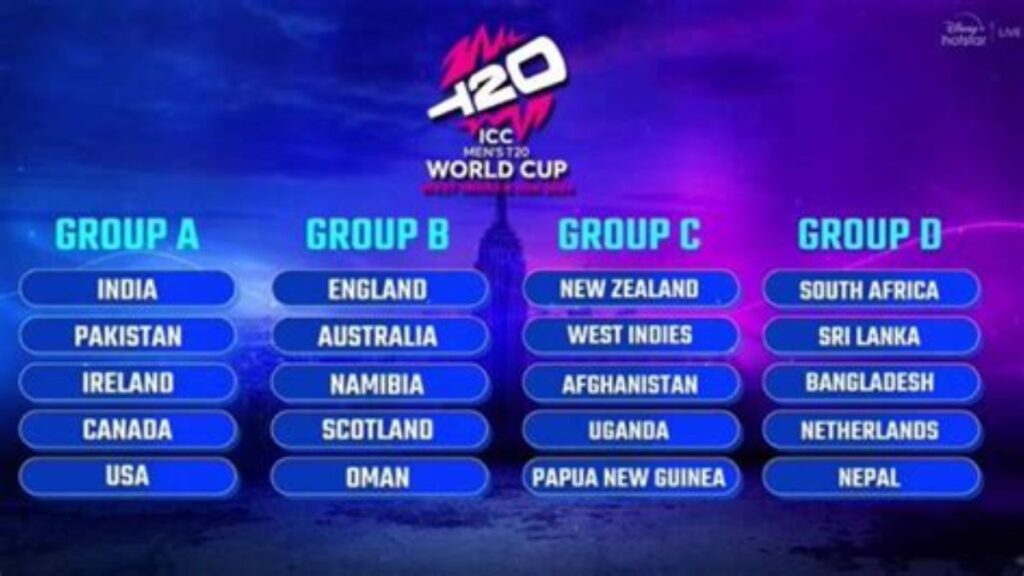
🔢 Teams are expected to be split into two groups of seven, with the top four from each group progressing to the Super 8s or quarter-finals, depending on final format confirmation.
❓8. Will debutant teams play in 2026?
🌟 It’s possible. If new or emerging cricket nations perform well in qualifiers, we may see debut appearances from Associate Members.
❓9. Will defending champions get automatic qualification?
🏆 Not necessarily. Automatic qualification is usually granted based on ICC rankings or host status, not just being the defending champion.
❓10. Where can I find the final list of qualified teams?
📰 The official ICC website and major cricket news portals (like ESPNcricinfo and Cricbuzz) will publish the final list of 14 qualified teams once all qualifiers are complete.
✅ Conclusion:
The 2026 Cricket World Cup will feature a larger and more diverse lineup with 14 teams from around the world. This expansion opens the door for more competition, surprises, and fresh talent. While host nations like India and Sri Lanka are confirmed, the remaining spots will be decided through a competitive qualification process. Stay tuned for updates as new teams earn their place on cricket’s biggest stage