





For many, Scotland brings to mind images of rolling highlands, historic castles, and the sound of bagpipes. But a new sound is echoing across the nation: the sharp crack of a cricket bat hitting a leather ball. Scottish cricket, long considered a minor player on the world stage, is experiencing a remarkable surge. The men’s team has consistently challenged top-tier nations, while the women’s team has shattered ceilings, making history with their recent achievements. This is the story of Scotland’s cricket renaissance, a journey of persistence, passion, and the promise of a very bright future.
The most significant chapter in this recent story was written by the Scotland Women’s national team. In 2024, they achieved something unprecedented: qualification for their first-ever ICC Women’s T20 World Cup. This monumental feat was the culmination of years of hard work, strategic development, and unwavering belief. The path to the World Cup went through the high-pressure environment of the ICC Global Qualifier in Abu Dhabi. Facing immense expectations, the team showcased a brand of cricket that was both fearless and intelligent. They navigated the tournament with skill and composure, securing their place among the world’s elite teams.
This achievement did not go unnoticed. The International Cricket Council (ICC) recognized their groundbreaking year by naming Scotland the winner of the ICC Associate Member Women’s Team Performance of the Year for 2024. This prestigious award is given to the Associate nation that demonstrates the best on-field performance at an ICC event or in a bilateral series. Winning it confirmed what many in the cricketing world were beginning to see: Scotland had arrived. The award was more than just a trophy; it was a validation of their journey and a powerful statement about the growth of women’s cricket in the country.
Making their debut at the T20 World Cup in Dubai was a watershed moment. They found themselves in a group with established powerhouses like England, South Africa, and the West Indies. While the results on the field were challenging, the experience was invaluable. Competing at that level exposed the players to the highest standards of the game, providing crucial lessons and inspiring a new generation of girls back home to pick up a bat and ball. The image of the Scottish team, draped in the Saltire, standing shoulder-to-shoulder with the world’s best, was a powerful symbol of progress.
https://perfactai.com/wp-admin/post.php?post=291&action=edit
The Pillars of Success: Key Players and a Winning Culture

A team’s success is built on the shoulders of its players, and Scotland is no exception. The women’s team is led by the exceptionally talented Kathryn Bryce. A world-class all-rounder, Bryce is the engine of the side. Her ability to score crucial runs at the top of the order and take key wickets with her medium-pace bowling makes her one of the most valuable players in Associate cricket. Her leadership, both on and off the field, has been instrumental in fostering a culture of excellence and belief within the squad. At the ICC Women’s Cricket World Cup 2025 Qualifier in Pakistan, her class was on full display as she finished as the tournament’s leading run-scorer, a testament to her skill and consistency.
She is ably supported by her sister, Sarah Bryce, a dynamic wicketkeeper-batter whose aggressive style often gives the team a flying start. Together, the Bryce sisters form a formidable core around which the team is built. However, the strength of this Scottish side lies in its depth. Players like spinner Abtaha Maqsood, who gained global attention for her unique bowling action and her role as a trailblazer for Muslim women in sport, and powerful hitter Ailsa Lister, represent the diverse talent pool that is emerging. The blend of experienced heads and exciting young talent has created a balanced and competitive unit.
On the men’s side, the journey has been one of steady, determined progress. They have become giant-killers in the world of cricket, known for their ability to pull off stunning upsets against higher-ranked teams. Who can forget their historic victory over England, then the number one ranked ODI team in the world, in a one-off match in 2018? Chasing a mammoth total, Scotland played with a freedom and confidence that shocked the cricketing world and announced their potential.
This “never say die” attitude has been a hallmark of the men’s team. They have qualified for multiple T20 and ODI World Cups, consistently proving they belong on the biggest stage. At the 2021 T20 World Cup, they advanced to the Super 12s stage for the first time, securing memorable wins along the way. These performances are built around a core of seasoned professionals.
Richie Berrington, the current captain, is the embodiment of Scottish cricket’s grit. A powerful middle-order batter and a handy bowler, Berrington has been a mainstay of the team for over a decade. His leadership provides stability and inspires his teammates to punch above their weight. He is surrounded by a wealth of talent. George Munsey is one of the most destructive opening batters in the Associate world, famous for his innovative “reverse sweeps” and his ability to take the game away from the opposition in a matter of overs. In the bowling department, pacers like Safyaan Sharif and Brad Wheal provide the firepower, while left-arm spinner Mark Watt has earned a reputation as one of the smartest bowlers in T20 cricket, known for his clever variations and ability to outthink batters.
The Foundation of Growth: Investment and Infrastructure
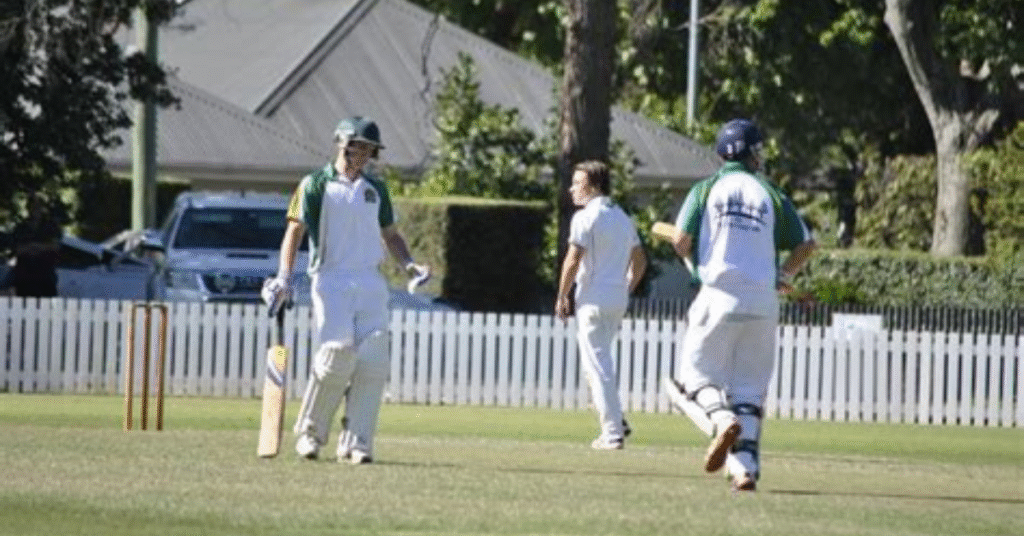
These on-field successes are not accidental. They are the result of a concerted effort by Cricket Scotland to grow the game from the grassroots up. Recognizing that sustainable success requires a strong foundation, the organization has invested significantly in development programs, coaching, and infrastructure.
One of the key strategies has been to make cricket more accessible. Initiatives aimed at bringing the sport into schools and local communities have been crucial in expanding the player base. Programs like the “Wee Bash,” a simplified version of the game for young children, have introduced thousands of kids to cricket in a fun and engaging way. By removing barriers to entry and creating a welcoming environment, Cricket Scotland is nurturing the next generation of players.
The development of a robust pathway system has also been vital. Promising young players are identified at an early age and are provided with high-quality coaching and competitive opportunities. Regional performance centers have been established to ensure that talent from all corners of Scotland is discovered and developed. This structured approach ensures a steady flow of players into the national setup, creating competition for places and raising the overall standard of performance.
Investment in facilities has been another priority. Upgrades to grounds like The Grange in Edinburgh and Titwood in Glasgow have provided the national teams with international-standard venues for training and matches. Hosting major cricketing nations not only provides valuable income but also allows the Scottish public to see their heroes in action, further fueling interest in the sport.
The growth of women’s cricket has been a particular focus. Cricket Scotland has worked hard to create a pathway for girls and women that mirrors the men’s game. The establishment of a women’s national league and increased funding for the national team have been key drivers of the recent success. The visibility of role models like Kathryn Bryce and Abtaha Maqsood is inspiring a new wave of female cricketers, creating a virtuous cycle of growth and achievement.
https://perfactai.com/wp-admin/post.php?post=283&action=edit
The Impact: A Changing Perception
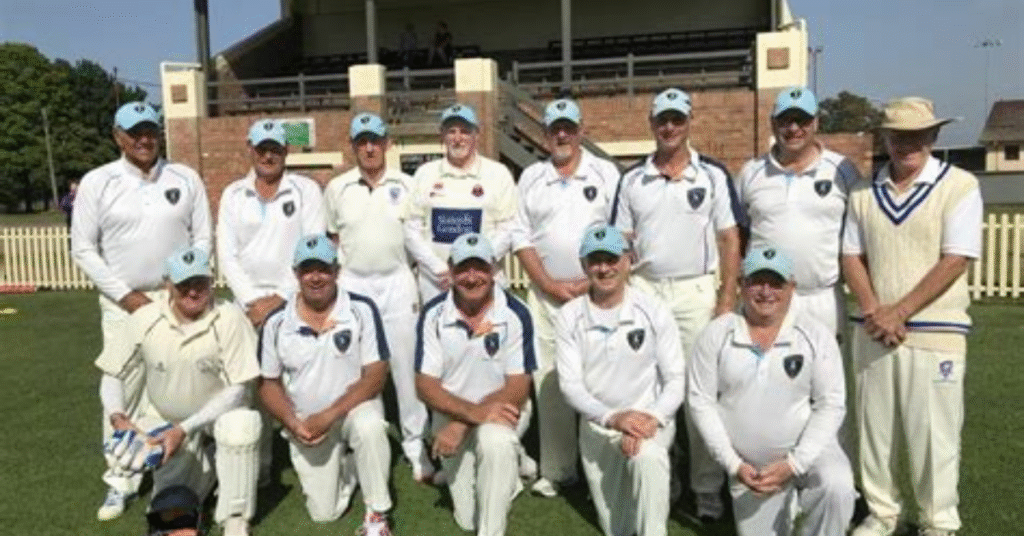
The recent achievements of the Scottish cricket teams are having a profound impact, both within Scotland and on the international stage. Domestically, the perception of cricket is changing. Once seen as a niche sport played primarily in certain pockets of the country, it is now gaining mainstream attention. The success of the national teams is generating media coverage and capturing the public’s imagination. Children who may have previously only dreamed of playing football or rugby are now picking up cricket bats.
This increased visibility is crucial for the long-term health of the sport. It attracts new participants, volunteers, and sponsors, all of whom are essential for continued growth. The success of the women’s team, in particular, is helping to break down gender stereotypes in sport and is promoting a message of inclusivity and opportunity.
Internationally, Scotland is no longer seen as just making up the numbers. They are respected competitors who can challenge and beat the best. Their success is a powerful argument for the expansion of international cricket and for providing more opportunities for Associate nations. By consistently performing at a high level, Scotland is making a strong case for more regular fixtures against Full Member nations, which is essential for their continued development.
Their journey also serves as an inspiration for other Associate countries. It shows what can be achieved with a clear vision, strategic investment, and a lot of hard work. Scotland’s rise is a testament to the growing depth of talent in world cricket and highlights the importance of the ICC’s development program in fostering growth in emerging nations.
The Future is Bright: What’s Next for Scottish Cricket?
The future for Scottish cricket looks brighter than ever. For the women’s team, the challenge is to build on their historic World Cup qualification. The experience of competing at that level will have provided them with a clear understanding of what is required to succeed. The focus will now be on closing the gap with the top teams. This will require more exposure to high-level competition, continued investment in the domestic structure, and the professionalization of the women’s game. The goal will be to make World Cup qualification a regular occurrence and to start winning matches at major tournaments.
For the men’s team, the objective is clear: to achieve Full Member status. This is the ultimate prize in international cricket, granting a nation Test match status and a permanent seat at the top table. While the path to Full Membership is challenging, Scotland has been building a compelling case. Consistent performances in World Cups, a strong domestic structure, and a growing player base are all key criteria. Achieving this goal would be transformative for cricket in Scotland, unlocking new levels of funding and opportunity.
The journey ahead will not be without its challenges. Competing with the financial might of larger cricketing nations will always be difficult. However, the spirit and determination that have defined Scottish cricket’s rise will continue to serve them well. The players, coaches, and administrators have shown that they have the passion and the skill to compete with the best.
As the Saltire flies proudly on cricket grounds around the world, it represents more than just a team; it represents a movement. It is a story of a nation that is falling in love with cricket, of a group of players who dare to dream big, and of a future filled with boundless possibility. The sound of leather on willow is growing louder in Scotland, and the world is starting to take notice. The new dawn for cricket in the Highlands has arrived, and it is a sight to behold.
FAQs about Nepal T20 Cricket Team
1. Who is the captain of Nepal’s T20 cricket team?
As of the latest update, Rohit Paudel is leading the Nepal T20 cricket team. However, leadership roles may change depending on team strategy and series.
2. What is Nepal’s current ICC T20 ranking?
Nepal’s T20I ranking varies as per their recent performances. You can check the latest ICC rankings on the official ICC website.
3. Has Nepal ever qualified for the T20 World Cup?
Yes, Nepal qualified for the ICC T20 World Cup 2014, and they have also qualified for the 2024 T20 World Cup, showing strong improvement.
4. Who are the key players in Nepal’s T20 team?
Some key players include:
- Sandeep Lamichhane (leg-spinner)
- Rohit Paudel (batsman & captain)
- Kushal Bhurtel (opener)
- Dipendra Singh Airee (all-rounder)
5. Where does Nepal play its home matches?
Nepal’s main cricket stadium is the Tribhuvan University International Cricket Ground in Kirtipur, Kathmandu.
6. Who is the coach of Nepal’s T20 cricket team?
As of the latest updates, Monty Desai is the head coach of the Nepal national team.
7. What is Nepal’s highest team total in T20 internationals?
Nepal scored a record 314/3 against Mongolia during the Asian Games 2023, the highest ever T20I total by any team.
8. How can I watch Nepal’s T20 matches live?
Nepal’s T20 matches are often broadcast on sports channels like Star Sports, or streamed online via platforms like FanCode or YouTube, depending on the tournament.
9. How is the domestic T20 cricket structure in Nepal?
Nepal has domestic leagues like the Everest Premier League (EPL) and Nepal T20 League, which help in developing local talent.
10. What are Nepal’s future prospects in T20 cricket?
With growing international exposure, talented youth, and strong domestic structures, Nepal’s future in T20 cricket looks very promising.
Conclusion:
Nepal’s T20 cricket team has made remarkable progress in recent years, establishing itself as a rising force in international cricket. With a passionate pool of young talent and growing experience, the future of Nepal cricket looks bright. For fans and followers, the journey ahead promises exciting matches and proud moments on the global stage.