

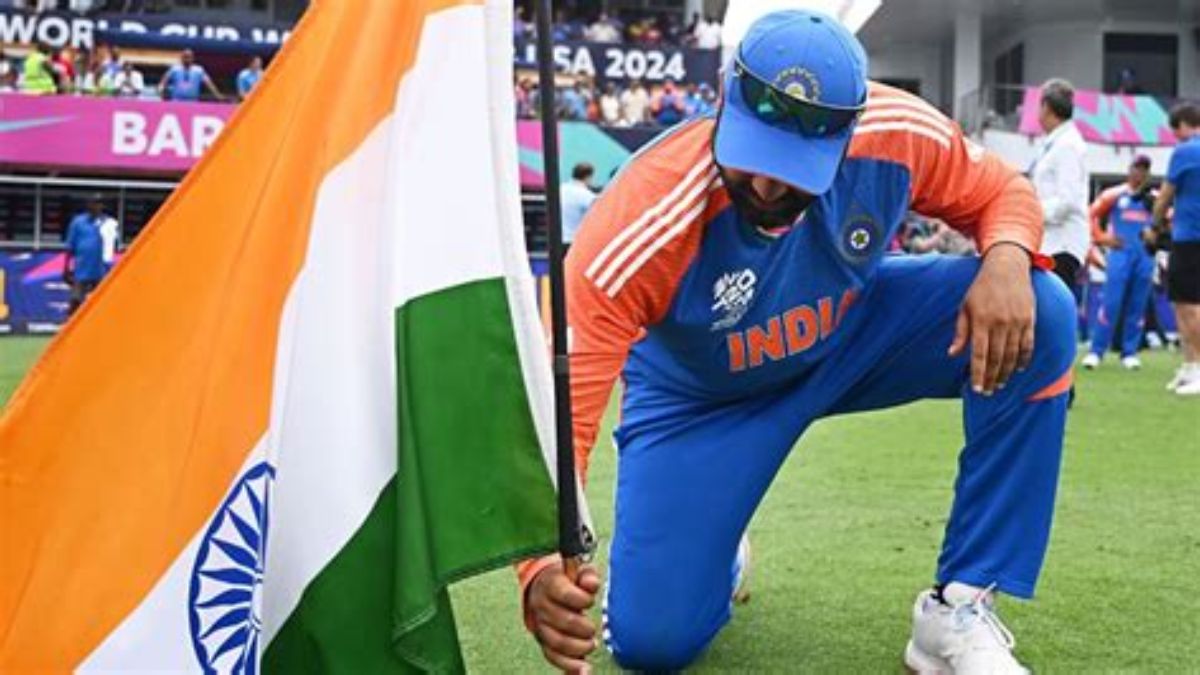
The roar of the crowd, the crack of the bat, and the flash of the stumps—this is the theater of T20 cricket. For India, a nation where cricket is more than just a sport, the advent of the shortest format sparked a revolution. It was a whirlwind of energy that captured the imagination of millions and reshaped the country’s cricketing landscape forever. From an unexpected triumph to the birth of a global league, India’s journey in the T20 world is a story of passion, innovation, and an unyielding quest for glory.
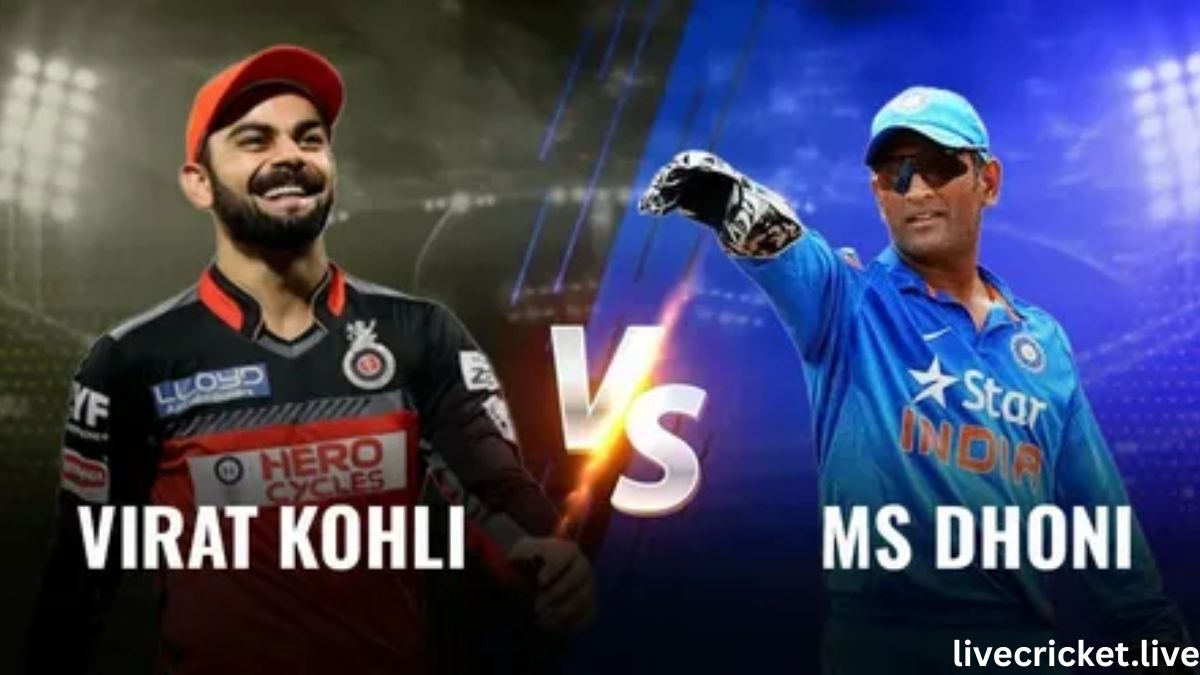
This journey began with a fair bit of skepticism. When the first T20 World Cup was announced for 2007, the Indian cricket establishment was cautious. The format was new, fast, and seemed to deviate from the traditional elegance of Test and One-Day cricket. A young, relatively inexperienced team was sent to South Africa under the captaincy of a long-haired, cool-headed wicketkeeper-batsman named Mahendra Singh Dhoni. Few gave them a chance. What unfolded over the next few weeks, however, was nothing short of a fairytale.
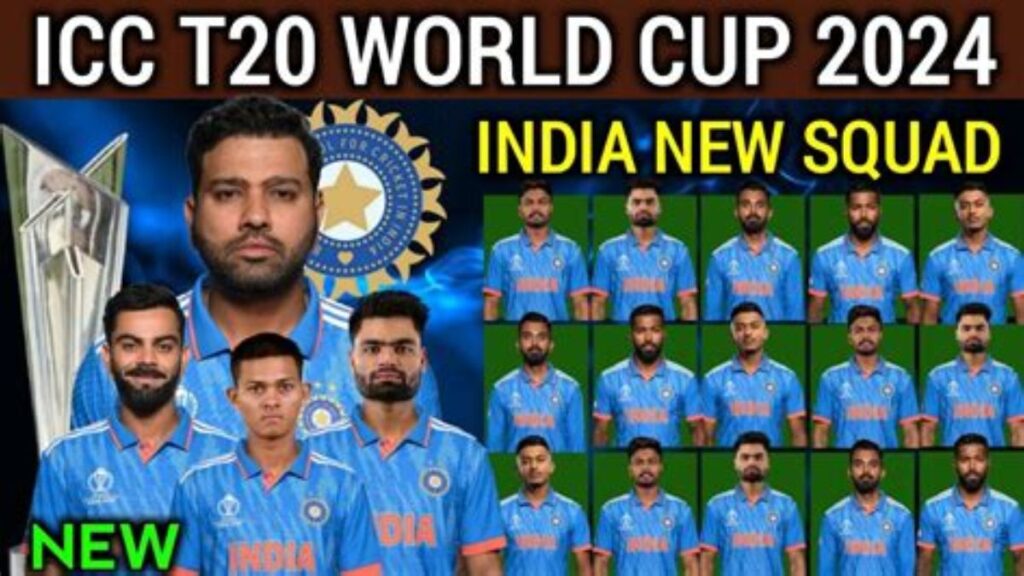
The Dawn of a New Era: The 2007 Triumph
The inaugural T20 World Cup in 2007 was a defining moment for Indian cricket. The team, missing senior stalwarts like Sachin Tendulkar, Rahul Dravid, and Sourav Ganguly, played with a fearless and uninhibited style. Led by the calm and intuitive MS Dhoni, this young brigade showcased a brand of cricket that was exciting and effective.
Memorable moments came thick and fast. Yuvraj Singh’s historic six sixes in an over against England’s Stuart Broad became an iconic feat, symbolizing the explosive potential of the T20 format. The tense bowl-out victory against arch-rivals Pakistan in the group stage added to the drama. The semi-final clash against a formidable Australian side saw India post a challenging total and defend it with skill and determination, setting up a dream final against Pakistan.
The final in Johannesburg was a nerve-wracking affair that went down to the very last over. With Pakistan needing just a few runs to win, Dhoni made a bold and now-legendary decision. He handed the ball to the inexperienced Joginder Sharma instead of the seasoned Harbhajan Singh. The gamble paid off spectacularly. Misbah-ul-Haq, Pakistan’s last hope, attempted a scoop shot, only to find Sreesanth at short fine-leg. The catch was taken, and India were crowned the first-ever T20 World Champions.
This victory was more than just a trophy. It ignited a nationwide passion for T20 cricket. The young champions returned home to a hero’s welcome, with streets filled with celebrating fans. The win announced India’s arrival on the T20 world stage and laid the foundation for what was to come.
https://livecricket.live/scotlands-rise-a-new-dawn-for-cricket-in-the-highlands
The Rise of Star Players and T20 Specialists
The T20 format created a new breed of cricketers—specialists who thrived on its high-octane demands. While established legends adapted their game, a new generation of players emerged, tailor-made for the pace and power of T20s.
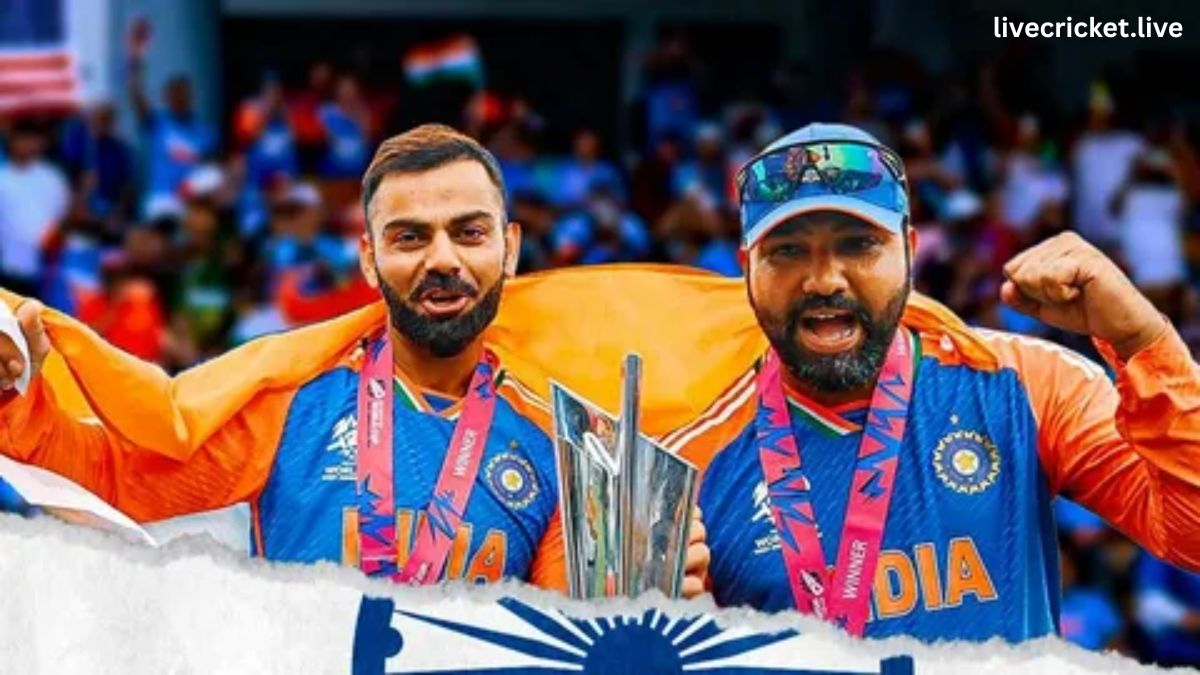
Virat Kohli: Arguably the greatest T20 batsman of his generation, Virat Kohli has been a colossus for India. His incredible consistency, ability to chase down any target, and knack for performing under pressure have made him a force to be reckoned with. His performances in the 2014 and 2016 T20 World Cups, where he was named Player of the Tournament on both occasions, are testament to his dominance.
Rohit Sharma: Known as the “Hitman,” Rohit Sharma’s elegant yet destructive batting style is perfectly suited for T20 cricket. As an opener, he has the ability to dismantle bowling attacks from the very first ball. He holds the record for the most T20 international centuries and has been a cornerstone of India’s batting lineup for over a decade. His captaincy has also brought immense success, particularly in the IPL.
Yuvraj Singh: A true match-winner, Yuvraj Singh was the hero of the 2007 victory. His all-round abilities—explosive batting in the middle order and crafty left-arm spin—made him an invaluable asset. His six sixes remain one of the most electrifying moments in cricket history.
Jasprit Bumrah: In a format often dominated by batsmen, Jasprit Bumrah emerged as a rare bowling superstar. His unorthodox action, searing yorkers, and clever variations make him one of the most difficult bowlers to face, especially in the death overs. He has been India’s premier fast bowler across all formats, but his impact in T20s is particularly significant.
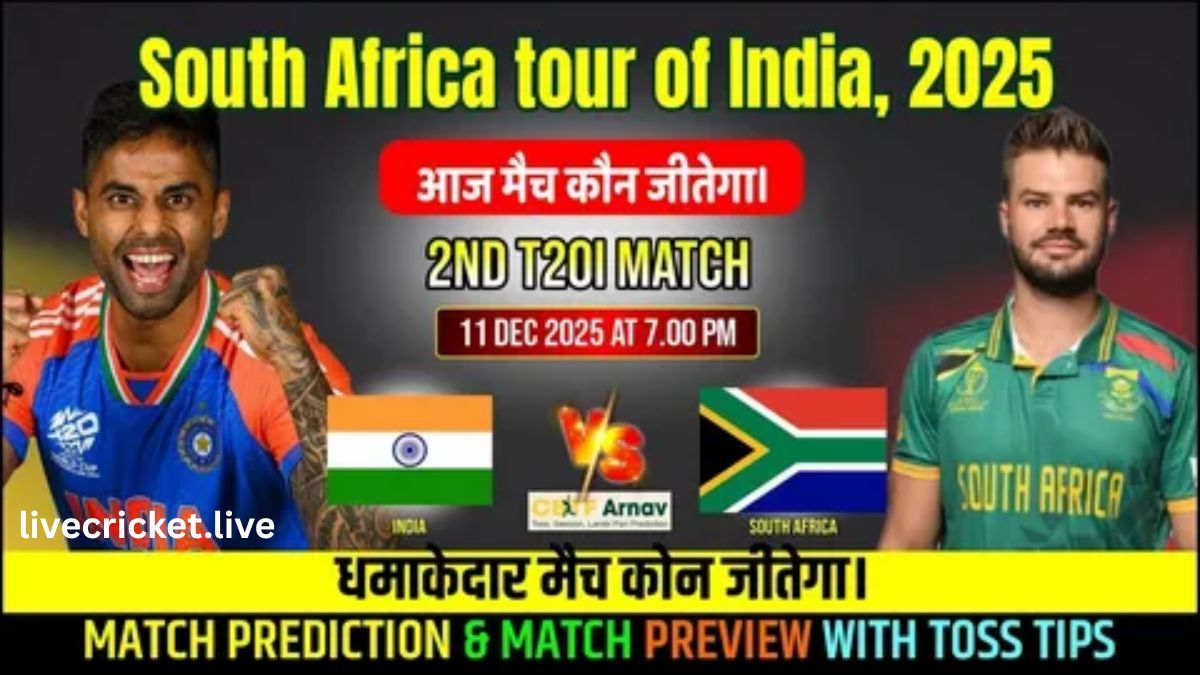
Other players like Suresh Raina, known for his dynamic fielding and powerful hitting, and modern-day powerhouses like Hardik Pandya and Suryakumar Yadav have also left an indelible mark, showcasing the depth of T20 talent in India.
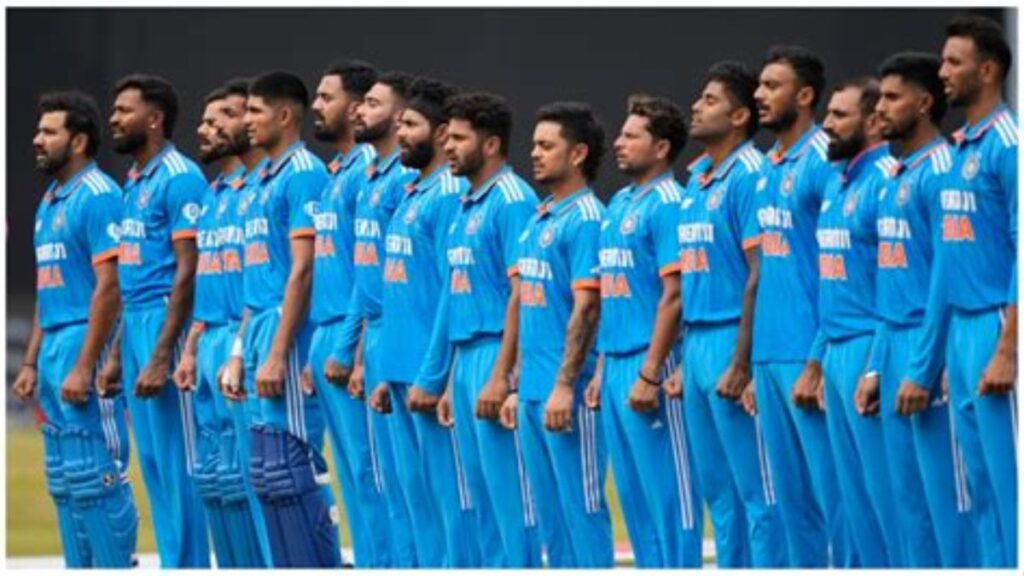
The IPL: A Global Phenomenon
The 2007 World Cup victory was the catalyst for the single biggest revolution in modern cricket: the Indian Premier League (IPL). Launched in 2008, the IPL was a game-changer. It combined the passion of Indian cricket with entertainment, glamour, and big business. The city-based franchise model brought international stars from around the world to play alongside Indian domestic and international players.
The impact of the IPL has been profound.
- Talent Development: The league has become a finishing school for young Indian talent. It provides a platform for uncapped players to compete against the best in the world, fast-tracking their development and preparing them for the pressures of international cricket. Players like Jasprit Bumrah, Hardik Pandya, and Rishabh Pant are all products of the IPL system.
- Financial Growth: The IPL has transformed the financial landscape of cricket. It is one of the most lucrative sports leagues globally, bringing massive investment into Indian cricket. This has led to better infrastructure, higher player salaries, and improved facilities at the grassroots level.
- Strategic Innovation: The intense competition of the IPL has spurred strategic and tactical innovations. From data analytics and specialized coaching roles to new batting and bowling techniques, the league has been a hub for cricketing evolution.
- Global Camaraderie: By bringing players from different countries together, the IPL has helped foster relationships and reduce on-field animosity between international teams. An Indian youngster learning from an Australian legend in the same dressing room has become a common and beautiful sight.
https://livecricket.live/scotlands-rise-a-new-dawn-for-cricket-in-the-highlands
World Cup Heartbreaks and The Ongoing Quest
Despite the domestic success of the IPL and a consistent supply of world-class players, further T20 World Cup glory has remained elusive for India since that magical night in 2007. The journey has been filled with moments of brilliance but also marked by heartbreaking exits.
In 2014, India reached the final in Bangladesh, powered by the sublime form of Virat Kohli. However, they fell short against Sri Lanka in the title clash. The 2016 edition, held in India, saw the hosts make a strong run to the semi-finals. An epic chase by Kohli against Australia in a virtual quarter-final is etched in memory. But in the semi-final against the West Indies, despite posting a competitive total, India’s bowlers couldn’t contain the Caribbean power-hitters.
The tournaments in 2021 and 2022 also ended in disappointment, with the team failing to reach the final on both occasions. These near-misses have only intensified the hunger for another world title. Each campaign brings new hopes and expectations from a billion fans who believe their team has what it takes to go all the way.
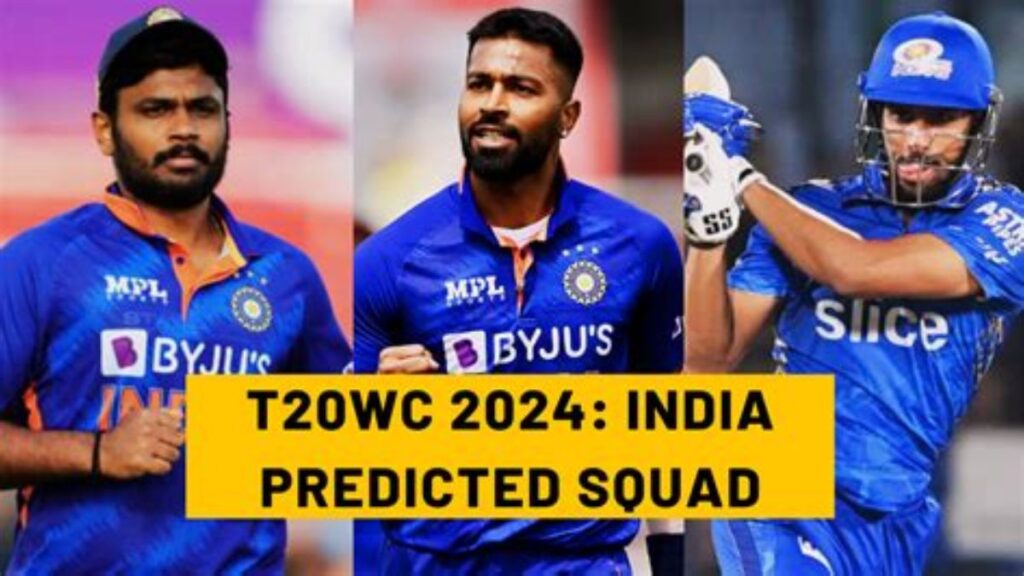
The Future of India in the T20 World
As cricket continues to evolve, T20 remains at the forefront of its global appeal. For India, the path forward involves balancing the demands of the IPL with the priorities of international cricket. The challenge is to build a cohesive and flexible team that can adapt to different conditions and pressures on the world stage.
The focus is now on identifying specialists for specific roles, fostering a fearless mindset, and embracing the aggressive brand of cricket that the format demands. The next generation of stars, honed in the competitive environment of the IPL, is waiting in the wings, ready to carry the torch. Players like Shubman Gill, Yashasvi Jaiswal, and Arshdeep Singh represent the future, bringing new energy and skills to the team.
India’s relationship with T20 cricket has been a thrilling saga. It began with an underdog victory that changed the sport forever, led to the creation of a global league that redefined cricket’s economy, and produced a galaxy of superstars. While the wait for a second T20 World Cup title continues, the passion and excitement remain as strong as ever. The journey is far from over. With every boundary hit and every wicket taken, India continues to write its dynamic and captivating chapter in the T20 world.
✅ FAQs – India in T20 World Cup 2024
Q1: How many times has India won the T20 World Cup?
A: Twice – in 2007 and 2024.
Q2: Who did India defeat in the 2024 T20 World Cup final?
A: India defeated South Africa by 7 runs in the final.
Q3: Who was the Player of the Match in the final?
A: Virat Kohli, for his crucial 76-run knock.
Q4: Did India lose any match in the 2024 tournament?
A: No, India remained unbeaten throughout the tournament.
Q5: Which players retired after the 2024 T20 World Cup?
A: Virat Kohli, Rohit Sharma, and Ravindra Jadeja retired from T20 internationals.
Q6: How significant was this win for Indian cricket?
A: It ended a 13-year ICC trophy drought and marked a legendary farewell for senior players, cementing a new era for Indian cricket.
✅ Conclusion
India’s campaign in the ICC Men’s T20 World Cup 2024 was nothing short of historic. The team remained undefeated throughout the tournament and delivered a clinical performance in the final against South Africa. Led by Rohit Sharma and powered by a match-winning knock from Virat Kohli, India scored 176/7 and held their nerve to defend it successfully, winning by 7 runs.